What's Actually on the Turntable: The Records You Play vs. The Records You Own
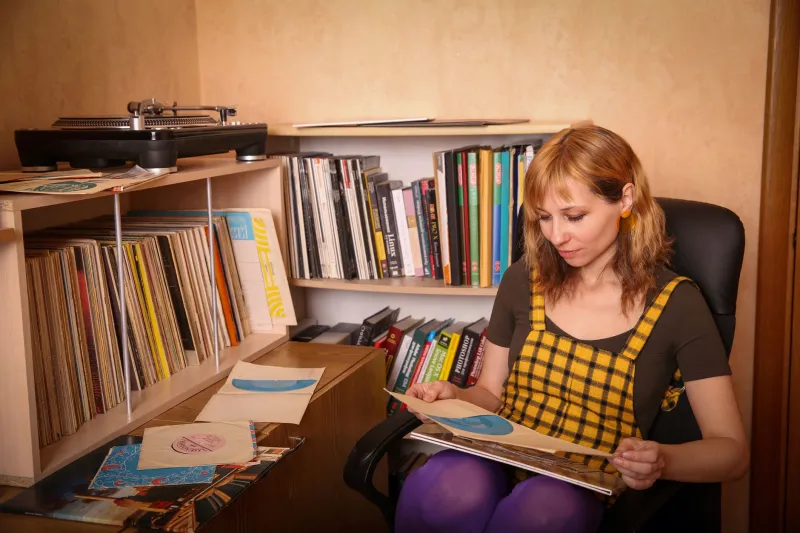
Somewhere between the front row of your shelves and the back corner where the actually-played records live, there's a story you haven't told anyone. Maybe not even yourself.
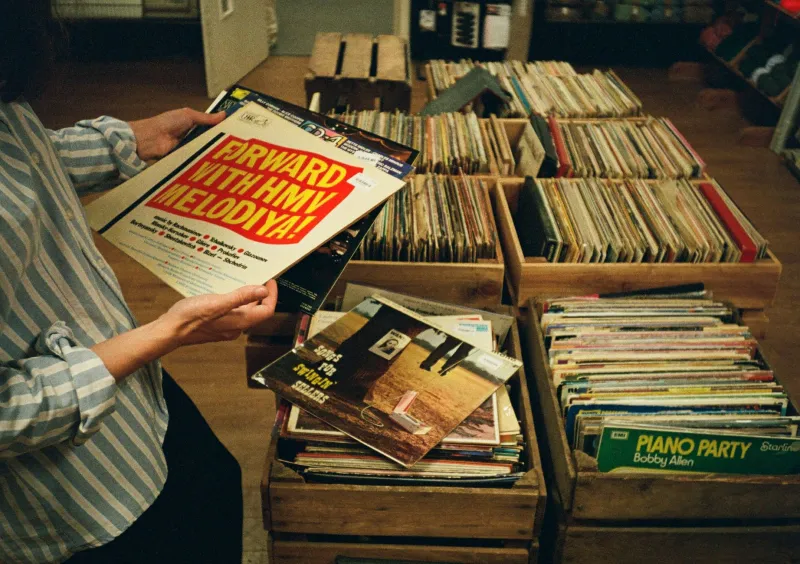
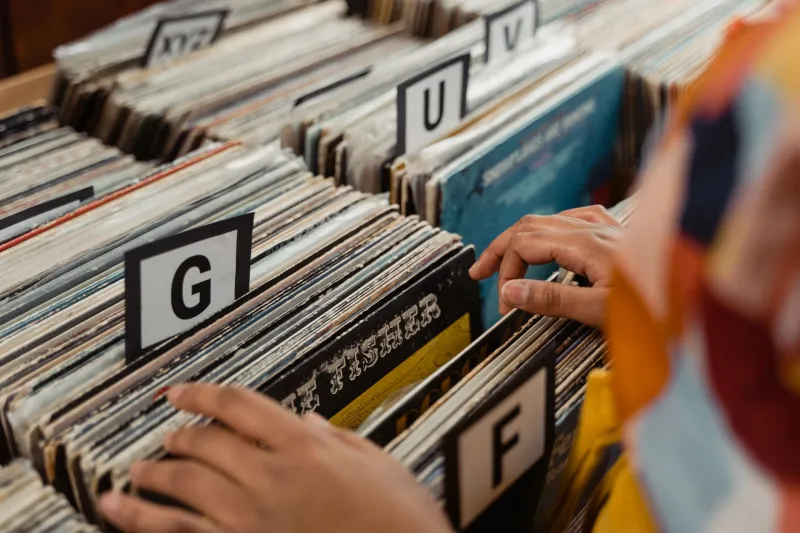
We spend a lot of time talking about what we collect. The holy grail finds, the original pressings, the records we hunted across three states and two flea markets to finally track down. And look — that's all real. That's part of the culture. But there's a quieter, more honest conversation that doesn't happen nearly enough in collector circles, and it goes something like this: when was the last time you actually played that record?
The Front-Shelf Effect
Every serious collector does it. You buy something prestigious — a first pressing of a jazz standard, a legendary soul 45, a canonical rock album everyone's supposed to own — and you give it a prominent spot on the shelf. It becomes part of the scenery. Friends notice it. You feel good about it being there.
Then you put on the thing you actually wanted to hear tonight, which is probably something deeply unglamorous. A well-worn country record from the seventies with a torn inner sleeve. A compilation somebody left at a party. The third album from a band that critics mostly ignored.
This isn't a character flaw. It's human nature, and it's something that vinyl culture makes uniquely visible in a way that streaming simply doesn't. On a playlist, your listening habits are invisible to everyone but the algorithm. On a shelf, the records you don't play start to accumulate their own kind of dust — the kind that feels a little like self-deception.
Taste vs. Identity
Here's the uncomfortable distinction worth sitting with: taste is what you actually respond to when nobody's watching. Identity is the version of your taste you've decided to project. Both are real. Both matter. But confusing them is where collectors tend to get into trouble.
There's a particular kind of collector — and most of us have been this person at one point or another — who builds a collection that functions more like a résumé than a record library. Every album on the shelf is defensible. Every purchase was informed by liner notes, critical consensus, or the approval of someone whose opinion carries weight. And yet somehow, the collection never quite feels like theirs.
Meanwhile, the records they reach for on a Friday night, the ones that actually hit something real — those might be sitting in a crate under the bed, slightly embarrassed to be seen.
What Your Play History Would Actually Say
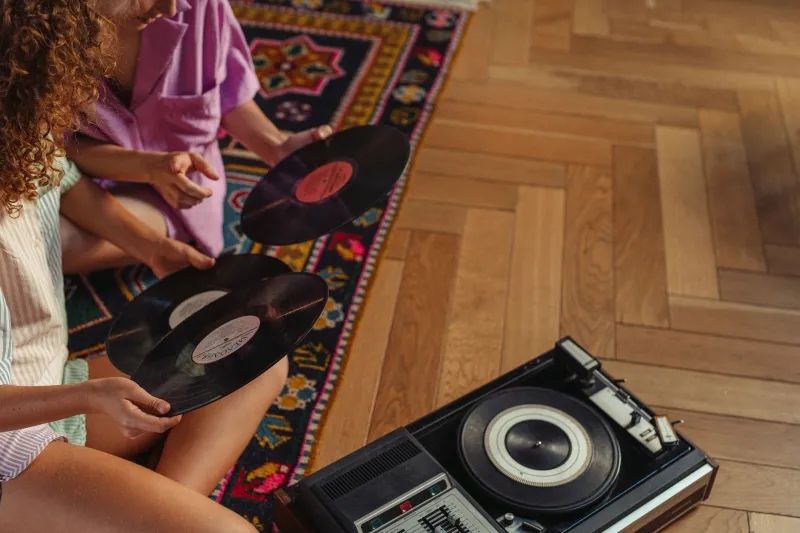
Imagine if your turntable kept a log. Not a curated Last.fm profile you've manicured over the years, but a raw, unfiltered record of every single thing you've dropped the needle on in the past twelve months. What would that list look like? What genres would dominate? What artists would show up more than you'd care to admit in polite company?
For a lot of collectors, that honest ledger would be surprisingly revealing. The gap between the collection you've built and the music you actually return to isn't a sign that you've failed some audiophile standard — it's a map of who you actually are as a listener.
And here's the thing: that map is more interesting than the curated version.
The Crate Digger's Honest Reckoning
There's a reason the best record store conversations happen when someone admits to a guilty pleasure and the other person immediately lights up in recognition. That moment of shared honesty — yeah, I play that record constantly, I don't care what anyone thinks — is where actual connection lives. It's not in the mutual appreciation of the obvious classics.
The records you play without apology, the ones you've worn grooves into without stopping to wonder whether they're impressive, those are the ones doing the real work in your collection. They're the ones shaping how you hear everything else.
A More Honest Way to Collect
None of this is an argument against owning records you admire intellectually or historically. A collection without any aspiration in it is just a pile of comfort food. There's genuine value in owning music that challenges you, that you're still growing into, that you bought because you wanted to understand it better.
But maybe the move is to stop treating those two impulses as separate and start letting them inform each other. Let what you actually play influence what you seek out. Let the records you reach for on tired evenings tell you something about the direction your collection should grow.
And when someone comes over and notices the slightly embarrassing record sitting out on the platter — the one you were obviously just playing — maybe don't rush to explain it. That record is doing exactly what records are supposed to do.
It's the most honest thing on your shelf.