Pressed to Deceive: How Fake Vinyl Is Creeping Into Crates — And What Every Collector Needs to Know
There's a particular kind of heartbreak that hits when you realize the record you've been showing off at listening parties — the one you paid two hundred bucks for on eBay — isn't what it claimed to be. No original matrix numbers. Wrong label font. A pressing that sounds suspiciously thin for something supposedly cut in 1972. Welcome to the counterfeit vinyl problem, and it's a lot more widespread than most collectors want to admit.
The market for unauthorized pressings has been growing steadily for years, quietly piggybacking on vinyl's broader resurgence. And with more money flowing into the hobby — especially in the US, where record sales have outpaced CDs for three consecutive years — the incentive to produce convincing fakes has never been higher.
Why Fakes Are Thriving Right Now
The short answer is demand. When a genuine original pressing of a beloved jazz or rock album commands four or five figures, and a convincing fake can be produced offshore for a fraction of that, the economics are pretty straightforward for bad actors. Eastern European and Southeast Asian pressing operations have been identified as common sources, though it's worth noting that not every international pressing is a fake — the problem is that the shady ones are getting harder to tell apart from legitimate releases.
Online marketplaces have made things significantly worse. Discogs, eBay, and Facebook Marketplace are all legitimate platforms, but they're also largely self-policed. A seller with a few good reviews and a convincing listing can move counterfeit copies quickly before anyone raises a flag. By the time buyers figure it out, the seller has disappeared or the dispute window has closed.
Shop owners are feeling it too. Marcus Webb, who runs a used and rare vinyl shop in Portland, Oregon, told us he's turned away at least a dozen suspicious copies of sought-after titles in the last eighteen months alone. "The scary part," he said, "is that some of them almost fooled me. I've been doing this for twenty years. A newer collector wouldn't stand a chance."
The Titles Fakers Target
Counterfeiters aren't wasting time on records that sell for thirty dollars. They go after the stuff that commands serious money and serious desire — original pressings of albums by artists like Led Zeppelin, Miles Davis, Pink Floyd, Bob Marley, and early punk and hip-hop records that have become grails for a new generation of collectors. Limited-edition colored vinyl runs from the last decade are increasingly targeted too, particularly releases tied to Record Store Day or posthumous catalog drops.
The strategy is simple: pick a title where the gap between a legitimate original and a fake is wide enough to make real money, and where the collector community's appetite is big enough to move units fast.
What to Look For Before You Buy
The good news is that most counterfeits leave clues if you know where to look. Here's what the experienced diggers check first:
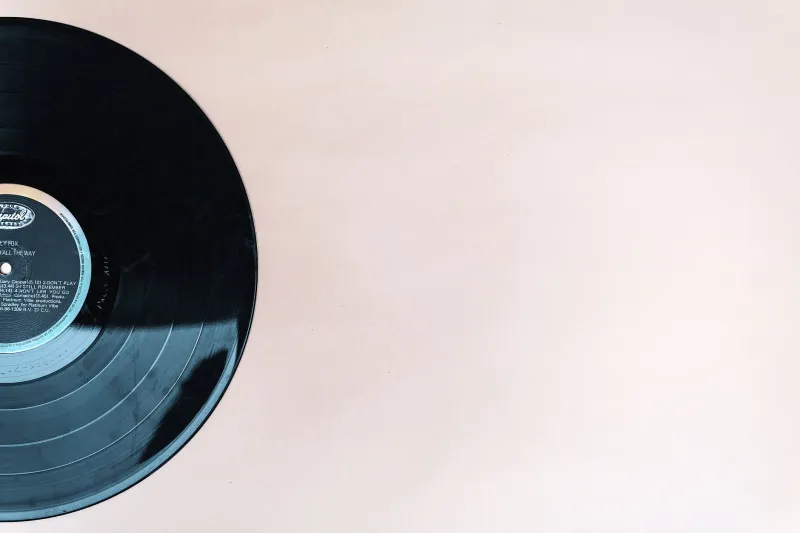
Matrix and dead wax markings. Flip the record over and look at the area between the last groove and the label. Legitimate pressings almost always have hand-etched or stamped matrix numbers, sometimes with a pressing plant code or engineer's initials. Counterfeits often get these wrong — the numbers might be too uniform, too shallow, or simply incorrect for the pressing they're imitating. Cross-reference what you see against Discogs' matrix documentation for that specific release.
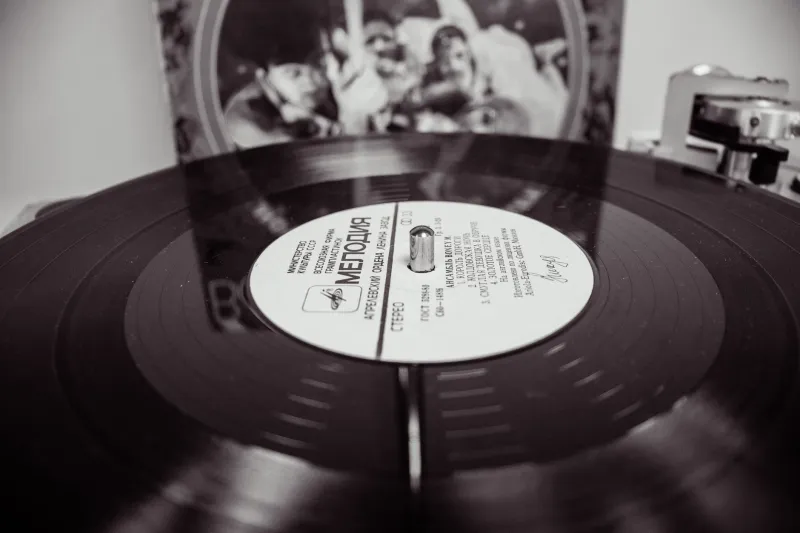
Label details. Original labels from different eras have very specific fonts, catalog number placements, and printing quirks. A genuine early Atlantic Records pressing looks different from a reproduction in ways that are subtle but learnable. Study reference copies. If something feels slightly off — a logo that's a touch too crisp, text that's a hair too centered — trust that instinct.
Vinyl weight and feel. Original pressings from the 1960s and 70s were typically pressed on heavier vinyl than what you'll find in most modern counterfeits. Pick it up. Does it feel substantial? A flimsy record claiming to be a 1968 original should raise immediate flags.
Sound quality. This one requires a turntable, obviously, but it's often the most revealing test. Legitimate original pressings — especially those cut from analog masters — have a warmth, depth, and dynamic range that's genuinely difficult to replicate cheaply. If something sounds flat or compressed for what it's supposed to be, that's worth investigating further.
Jacket printing and aging. Paper ages in specific ways. Authentic vintage jackets have a particular texture, weight, and patina that's hard to fake convincingly. Look at the spine text, the barcode (or lack thereof for pre-barcode releases), and any printed credits. Reproduction jackets often have slightly brighter colors or a laminate sheen that doesn't match the era.
Buying Smart: Practical Habits That Protect You
Beyond the physical inspection checklist, there are some broader habits worth adopting if you're spending real money on vinyl.
Buy from reputable sources whenever possible. Established brick-and-mortar shops with knowledgeable staff have a reputation to protect. They're not going to sell you a fake knowingly, and most will stand behind their inventory if something turns out to be wrong. Online is riskier, but sellers with long track records, detailed photos, and willingness to answer specific questions about matrix numbers are generally safer bets.
Use the community. Collector forums, subreddits like r/vinyl, and Discogs' own community boards are full of people who've seen thousands of copies of the records you're chasing. Post photos. Ask questions. Most experienced collectors are happy to help authenticate something if you share good images of the label, dead wax, and jacket.
Be skeptical of deals that seem too good. A mint original pressing of a record that normally trades for $400, listed for $90 with vague photos and a seller who's been on the platform for three months? That's not a bargain — that's a warning sign.
The Bigger Picture
The counterfeit problem isn't going away on its own. Until marketplaces invest more seriously in authentication — the way some platforms have started doing for sneakers and trading cards — the burden falls on individual collectors to stay informed. Labels and pressing plants have a role to play too, and some have started adding harder-to-replicate authentication features to high-value reissues.
But fundamentally, this is a community problem with a community solution. The more collectors share knowledge, document fakes, and call out suspicious listings, the harder it becomes for counterfeiters to operate quietly. Your crate-digging instincts are your best defense. Sharpen them, use them, and don't let the pressure of finding a grail override the common sense that got you this far.
Because at the end of the day, no record is worth the feeling of realizing you've been had.