Pretty Wax, Real Trade-Offs: The Honest Case For and Against Colored Vinyl
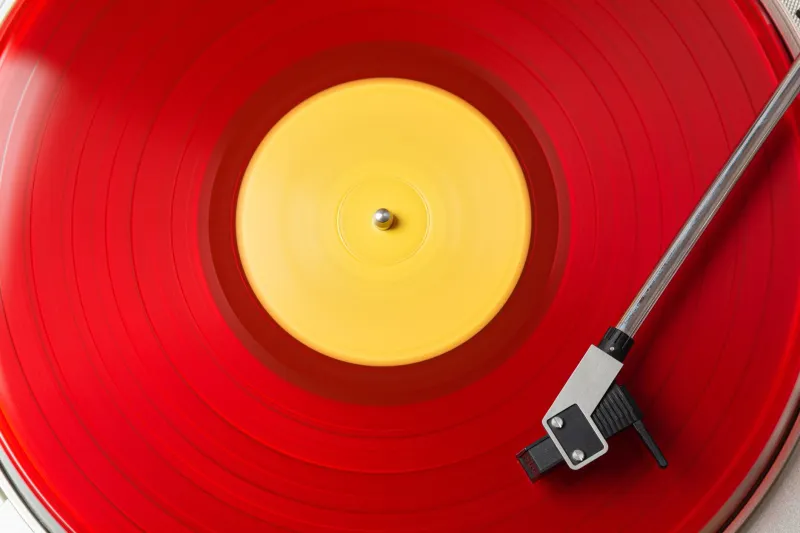
Let's be honest about something: a well-done splatter pressing is genuinely beautiful. The marbled swirls, the translucent layers catching the light, the way a picture disc turns your turntable into a small gallery piece — there's nothing wrong with acknowledging that this stuff looks great. Vinyl is a physical medium, and the physical experience has always been part of the appeal.
But somewhere between appreciating the aesthetics and actually spinning the thing, a real question has started to creep into collector conversations more often: are we buying music or are we buying objects?
That question doesn't have a clean answer. But it's worth asking seriously.
How We Got Here
Colored vinyl isn't new. Novelty pressings have existed almost as long as the format itself, and picture discs had a moment back in the late seventies and early eighties before mostly retreating to the novelty bin. What's different now is scale and sophistication.
The modern wave of aesthetic pressings — triggered largely by Record Store Day and the broader vinyl revival of the last fifteen years — has turned colored wax into a genuine sales strategy. Labels have figured out that a limited splatter variant generates excitement in a way that standard black vinyl simply doesn't anymore. The visual differentiation creates urgency. It gives collectors something to chase beyond the music itself.
And it works. Obviously it works. The question is what we're optimizing for when we reach for the splatter edition over the standard press.
The Sonic Reality
Here's where things get genuinely complicated, and where a lot of collectors would rather not go: colored vinyl, as a category, often — not always, but often — comes with sonic trade-offs.
The short version is that standard black vinyl gets its color from carbon black, which happens to be a relatively dense, low-noise filler material. Many colored vinyl formulations substitute different pigments, and those substitutions can affect surface noise, groove clarity, and dynamic range in ways that vary wildly depending on the pressing plant, the dye used, and the quality controls in place.
Picture discs are the most extreme case. The printing process typically results in a noticeable uptick in surface noise and reduced high-frequency response. They're fun. They're collectible. They are generally not the way you want to hear the music.
Splatter and translucent pressings are more of a mixed bag. Some come out beautifully — certain plants have gotten quite good at producing colored pressings that perform close to their black counterparts. Others are noticeably noisier, with a kind of haze over the high end that audiophiles find difficult to ignore once they've heard it.
The Counterargument Worth Taking Seriously
None of that is the whole story, though, and it would be unfair to treat it like it is.
For a lot of collectors — especially younger ones who came to vinyl through the current revival rather than through decades of audiophile culture — the sonic difference between a good colored pressing and a good black pressing is genuinely not the point. They're not building a reference system. They're building a relationship with physical music, and the visual dimension of that relationship matters to them.
That's a completely legitimate way to engage with this format. Vinyl has always been as much about ritual and tangibility as it has been about pure fidelity. The album art, the gatefold, the weight of the record in your hands — these things are real parts of the listening experience. An edition that extends that visual and tactile dimension isn't automatically doing something wrong.
There's also a financial reality for smaller labels and artists. A limited colored variant at a premium price point can be the difference between a pressing run being financially viable or not. When you buy that splatter edition from an independent artist you actually care about, you're participating in something that keeps the whole ecosystem moving.
Where the Line Gets Blurry
The trouble starts when aesthetics become a substitute for quality rather than a companion to it. A well-pressed, properly mastered black vinyl record that sounds incredible is a different kind of beautiful — one that reveals itself through speakers rather than on a shelf. When the pursuit of visual novelty consistently crowds out the pursuit of that experience, something has drifted.
The collector who owns seventeen splatter variants of albums they've never actually listened to through a decent setup isn't really a record collector in any meaningful sense. They're an object collector, which is fine, but it's worth being clear about the distinction.
A Practical Guide to Choosing
So how do you navigate this in practice? A few things worth considering before you reach for the premium colored edition:
Who pressed it? Some plants have strong track records with colored vinyl. Do a little digging in the collector community before assuming the fancy edition will sound as good as it looks.
Is there a standard black pressing available? If you're buying for listening, that's often the smarter move. Pick up the colored variant as a display piece if you love it, but spin the black one.
What's the mastering situation? A beautifully colored pressing of a badly mastered record is still a badly mastered record. The color doesn't fix the source.
Are you buying this for yourself or for the photo? No judgment either way, but knowing the honest answer helps you spend smarter.
The colored vinyl conversation isn't really about which side is right. It's about knowing what you're actually after — and being honest enough with yourself to admit it.